Facebook
 X
X
 Pinterest
 Copy Link
Writing a Winning Offer: How to Stand Out in Saskatoon’s 2026 Market

Preparation beats luck. Here are seven ways Saskatoon buyers can write a stronger, smarter offer that stands out in the 2026 market.
How to Make a Strong Offer in Saskatoon’s 2026 Real Estate Market

Saskatoon’s 2026 market is still moving fast. Here are six strategies for writing a strong, competitive offer without overpaying or feeling pressured.
How to Make a Strong Offer in Saskatoon’s Competitive Real Estate Market
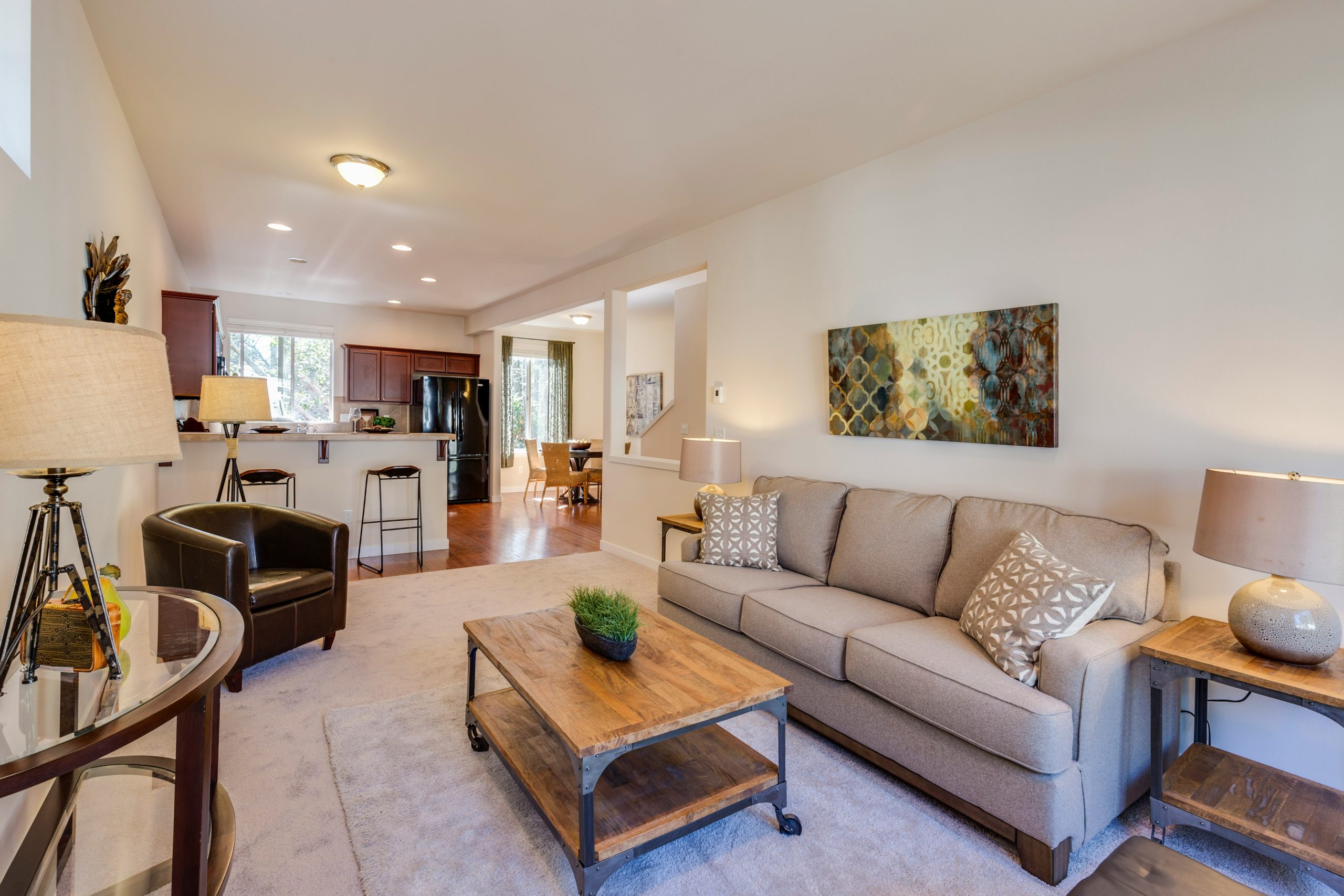
In today’s Saskatoon real estate market, competition is heating up. With low inventory and strong demand, it’s not uncommon for well-priced homes to receive multiple offers within days—or even hours—of hitting the market. If you’re a buyer, that means one thing: you need to be ready to act fast and smart.
At Schmid Realty, we help buyers successfully navigate this kind of market every day. Here are our top tips for making a strong, strategic offer that stands out—without overpaying or feeling pressured.
1. Get Pre-Approved—Not Just Pre-Qualified
In a competitive market, a pre-approval letter from your lender is non-negotiable. It shows sellers you’re serious, financially ready, and able to close. Better yet, it gives you clarity on your budget so you can move quickly when the right home comes along.
Bonus tip: We often connect our clients with trusted mortgage professionals who can help speed up the process when time is tight.
2. Know the Market
A strong offer starts with a clear understanding of the home’s value. That’s where our local expertise comes in. We’ll provide recent comparable sales (comps) and help you determine a price that’s competitive but grounded in real data—not emotion.
Some homes may be priced to spark bidding wars; others might be sitting below market value to attract attention. We’ll help you read between the lines.
3. Keep Your Offer Clean
The fewer conditions attached to your offer, the more attractive it is to a seller. While it’s important to protect yourself (especially with financing and home inspections), we’ll help you write a clean, confident offer that strikes the right balance between caution and competitiveness.
In some cases, you may consider:
- Increasing your deposit to show good faith
- Pre-booking an inspection if you anticipate competition
4. Be Flexible with Possession Dates
If the seller needs a quick close—or more time before moving—being flexible with dates can give your offer the edge, even if your price isn’t the highest. We’ll communicate with the listing agent to understand what matters most to the seller and tailor your offer accordingly.
5. Include a Personal Touch (When It Makes Sense)
In some cases, a short note to the seller can make your offer more memorable—especially if you’re buying a family home from someone with emotional ties. It’s not always the deciding factor, but it can be a meaningful way to stand out when offers are close.
6. Work with a Team That Moves Fast
Timing is everything in a competitive market. At Schmid Realty, we stay on top of new listings the moment they hit the MLS® and are ready to act when you are. We’ll guide you through the offer process quickly and strategically, so you don’t miss an opportunity.
Let’s Win Your Next Home—Together
Buying a home in Saskatoon right now can feel overwhelming—but you don’t have to navigate it alone. With the right strategy and the right team, you can compete and win in this market.
Ready to make a move? Contact Schmid Realty today and let’s talk about how to make your next offer your strongest one yet.
Top 3 Underrated Neighbourhoods in Saskatoon: Hidden Gems Worth Considering

When it comes to real estate in Saskatoon, everyone knows the popularity of neighbourhoods like Nutana, River Heights, and Stonebridge. But Saskatoon has a few hidden gems that fly under the radar, providing fantastic living opportunities at a more affordable price point. Let’s explore three underrated Saskatoon neighbourhoods that are attracting savvy buyers looking for value, charm, and community spirit.
1. Brevoort Park: An Established, Family-Friendly Community
Brevoort Park is a mature neighbourhood with a rich sense of community and family-focused amenities. Established in the 1960s, it boasts tree-lined streets, well-maintained homes, and close proximity to some of Saskatoon’s best schools. Despite being centrally located, Brevoort Park is often overlooked in favor of more modern subdivisions, but its value and livability make it worth a second look.
- Schools & Parks: The neighbourhood is home to Brevoort Park School and St. Matthew School, making it an ideal choice for families. The area has numerous parks, including Brevoort Park, which offers sports fields, playgrounds, and scenic walking paths.
- Affordable Homes: Brevoort Park offers a range of properties, from modest bungalows to spacious family homes. Buyers will appreciate the affordability, especially compared to nearby neighbourhoods like Holliston and Nutana.
- Access & Convenience: Located just a few minutes from downtown, this neighbourhood offers easy access to Circle Drive and numerous shopping amenities on 8th Street. For those who value a mix of tranquility and accessibility, Brevoort Park is a hidden treasure.
2. Avalon: A Quiet, Green Oasis Close to the River
Avalon is often overlooked, but it’s a gem for those seeking a quiet, green, and well-connected neighbourhood close to the South Saskatchewan River. This area offers a peaceful suburban feel with the added benefit of convenient access to downtown Saskatoon, making it a prime choice for young professionals, families, and retirees alike.
- Parks and Nature: Avalon borders the South Saskatchewan River, giving residents quick access to scenic riverside trails and Diefenbaker Park, a hub for outdoor activities and festivals. The neighbourhood’s Avalon Park is also a local favorite, offering playgrounds, walking trails, and sports facilities.
- Community Spirit: Avalon has an active neighbourhood association, hosting events and activities that foster a tight-knit community atmosphere. The area also has many charming mid-century homes, which add to the neighbourhood’s character.
- Hidden Value: Home prices in Avalon tend to be lower than in neighboring areas like Nutana and Buena Vista, making it a great choice for buyers looking for value in a central location with easy access to nature and community amenities.
3. Confederation Park: A Growing Community with New Development Potential
Confederation Park is one of Saskatoon’s best-kept secrets. It has long been a more affordable area, but recent developments have attracted new families, young professionals, and first-time homebuyers. With a mix of established homes and new builds, this neighbourhood is seeing a gradual transformation, with more amenities being added to cater to its growing community.
- Diverse Housing Options: Confederation Park offers a range of homes, from affordable single-family houses to newer townhouse developments. This variety makes it an accessible option for first-time buyers or those looking to upgrade without breaking the bank.
- Amenities Galore: Confederation Park residents enjoy close proximity to shopping centers like Confederation Mall, various dining options, and healthcare facilities. The area also has good public transportation connections, allowing residents to access other parts of Saskatoon easily.
- Family-Oriented Amenities: Confederation Park is designed with families in mind, offering numerous parks, playgrounds, and recreation areas. The Al Anderson Park is a popular destination for residents, featuring play areas, sports fields, and picnic spots perfect for family gatherings and outdoor activities. Additionally, the neighborhood has several well-regarded schools, including Bishop Roborecki School and Confederation Park Community School, making it a convenient and family-friendly choice.
Exploring Saskatoon’s understated neighbourhoods can offer buyers a unique opportunity to find great value and experience the benefits of community-focused, well-located living spaces. These neighbourhoods offer the chance to own in an area with character, amenities, and a promising future. So, if you’re looking for your next home or an investment property in Saskatoon, don’t overlook Brevoort Park, Avalon, and Confederation Park – they may just be the hidden gems you’ve been waiting to discover.
Ready to find your perfect spot in Saskatoon? Contact us to explore these neighbourhoods and more!
Beyond the Down Payment: Understanding the Full Cost of Buying a Home in Saskatchewan

Buying a home in Saskatchewan is an exciting venture, but it’s important to be aware of the additional costs beyond the down payment. These hidden expenses can impact your budget significantly, so it’s essential to plan for them. Here’s a breakdown of the various costs associated with buying a home in this beautiful province:
1. Legal Fees
When purchasing a home, you’ll need a lawyer to complete your real estate transaction. Legal fees in Saskatchewan typically range from $1,000 to $2,500, depending on the complexity of the purchase and the lawyer’s rates. These fees cover the cost of preparing and reviewing purchase documents, completing the title transfer, and ensuring that all legal requirements are met.
2. Land Title Transfer (ISC Fees)
The Information Services Corporation (ISC) of Saskatchewan handles the registration of land titles. When you buy a home, you must pay a fee to transfer the property’s title from the seller to yourself. ISC fees are calculated based on the property’s purchase price and can range from a few hundred to several thousand dollars.
3. Home Insurance
Home insurance is essential to protect your new investment. It covers the building, your belongings, and liability in case someone is injured on your property. The cost of home insurance varies widely based on the value of the property, the contents inside, and the level of coverage you choose. Typically, homeowners in Saskatchewan might expect to pay anywhere from $800 to $2,000 annually.
4. Property Tax Adjustments
You may also need to reimburse the seller for any prepaid property taxes. This cost varies depending on the property tax rate in your municipality and the timing of your purchase. Property taxes are generally calculated based on the assessed property value and are used to fund local services and infrastructure.
5. Mortgage Insurance
If your down payment is less than 20% of the home’s purchase price, you’ll need to purchase mortgage default insurance. This protects the lender in case you default on your loan. The premium for this insurance is usually added to your mortgage amount and paid over the life of the loan. Premiums vary based on the amount borrowed and the size of your down payment.
6. Moving Costs
Moving costs can vary greatly depending on the distance of your move and whether you hire professional movers or decide to move yourself. For a local move, hiring movers in Saskatchewan can cost between $800 and $2,200. If you’re moving from another province, the costs can be significantly higher.
7. Home Inspection and Appraisal Fees
Before finalizing your home purchase, it’s advisable to have a home inspection, which can cost anywhere from $300 to $600. This helps identify any issues with the home’s structure and systems. An appraisal, required by most lenders to confirm the home’s value, typically costs between $300 and $500.
While the dream of homeownership is certainly exciting, it’s important to budget for these additional costs. By being prepared, you can ensure a smoother transaction and avoid any unpleasant financial surprises. If you have questions or need assistance navigating the home-buying process in Saskatchewan, don’t hesitate to contact a local real estate professional.
Finding Your Dream Home: Unconventional Tips and Tricks
Embarking on the journey to find your dream home can be both exhilarating and overwhelming. While traditional home-buying advice may include considerations such as location, budget, and amenities, there are also a few unconventional tips and tricks that can help you uncover the hidden gems in the real estate market. In this blog, we will explore some unconventional strategies to make your quest for the perfect home more enjoyable and successful.
Explore Off-Peak Times
Real estate, like any industry, has its busy seasons—most commonly spring and fall. When searching for a home, consider exploring your desired neighbourhoods during off-peak times to minimize competition. Sellers during these periods may also be more motivated, and you might have better negotiating power.
This can also be true for scheduling showings, even during the busy season! Most home buyers angle for evening and weekend viewings to minimize schedule disruption for themselves. However, weekday mornings or early afternoons might reveal a different atmosphere and provide insights into the daily life of the community. You might discover hidden parks and vibrant local businesses or even meet potential future neighbours.
Social Media Sleuthing
Harness the power of social media to get a feel for a neighbourhood before physically visiting. Join local community groups or forums to engage with residents, ask questions, and gain insider perspectives. This virtual exploration can offer valuable insights into the neighbourhood dynamics and help you make a more informed decision.
Take a Stroll, Not Just a Drive
Instead of simply driving through your most popular neighbourhoods, take a leisurely stroll to get a genuine sense of the area. Walking allows you to notice details that might be missed from a car, such as the friendliness of neighbours, the condition of homes, or the availability of local amenities within walking distance.
Speak with Local Business Owners
Strike up conversations with local business owners in the area you’re considering. They often have a pulse on the community and can provide valuable insights into the neighbourhood’s strengths and challenges. Additionally, they may share information about upcoming developments or events that could impact the area.
Think Beyond the Obvious Features
When viewing homes, focus on more than just the obvious features. Pay attention to less conventional aspects, like the direction the house faces for natural light, the acoustics of the neighbourhood, or the presence of mature trees that can enhance the aesthetics and value of the property.
Finding your dream home involves more than just checking off a list of criteria. By incorporating these unconventional tips and tricks into your house-hunting strategy, you’ll gain a deeper understanding of potential neighbourhoods and increase your chances of discovering the perfect home that aligns with your lifestyle and preferences. Embrace the adventure, think outside the box, and let your intuition guide you on the path to finding your dream home—with the help of your trusted real estate team, of course!
Canada Foreign Home Buyers Policy and How it Affects Foreign Buyers

As a real estate team that values transparency, we want to provide you with important information about the foreign homebuyer’s policy that is now in place in Canada as of January 1, 2023. This ban aims to make homes more affordable for Canadian residents by limiting foreign investment. This ban applies to residential properties such as detached homes, semi-detached houses, rowhouse units, residential condominium units, and similar premises in census metropolitan areas or core areas. Vacant land zoned for residential or mixed-use and purchasing it for the purpose of development is unaffected.
Please remember that recreational properties like cottages, lake houses, and residential properties in municipalities with a core population of less than 10,000 are not subject to the ban. Additionally, non-Canadians can still purchase more significant buildings with multiple units.
This ban addresses the housing affordability crisis in Canada, where the average house cost is 67% more than the average Canadian household can afford. This ban is expected to create new opportunities for Canadians to purchase residential properties by opening up the supply.
However, refugee claimants, international students who meet specific criteria, and non-Canadians with a spouse or common-law partner who is a Canadian citizen, permanent resident, person registered under the Indian Act, or refugee are exempt from the ban.
Those who violate the ban can face penalties of up to $10,000 and may be required to sell the property they purchased. Anyone who knowingly assists a non-Canadian with their purchase may also face fines.
Saskatoon’s Most Popular Neighbourhoods

Looking for the most popular neighborhoods in Saskatoon? We’re happy to share our knowledge and experience to help you find the perfect place to call home!
Nutana
First up, we have Nutana. This charming and historic neighborhood boasts beautiful tree-lined streets, a mix of character homes and newer builds, and a vibrant community feel. With Broadway Avenue at its core, Nutana offers a variety of shops, restaurants, and cafes for residents to enjoy.
Riversdale
If you’re looking for a trendy and vibrant area, look no further than Riversdale. This neighborhood has undergone significant revitalization in recent years, and now offers a thriving arts scene, including the Remai Modern art museum and a variety of galleries and boutiques. And with its wide range of restaurants, bars, and cafes, Riversdale is the perfect place for foodies and night owls alike.
Downtown
For those looking for the hustle and bustle of a commercial district, downtown has it all. With a variety of shops, restaurants, and outdoor activities along the Meewasin Valley Trail, there’s always something to do in this lively neighborhood.
Stonebridge
If you prefer newer amenities, you may want to consider Stonebridge. Located in the south end of Saskatoon, this modern neighborhood offers a large shopping complex, movie theater, and a variety of parks and recreational facilities for residents to enjoy.
University Heights
Finally, for students and young professionals, University Heights is an excellent choice. Located adjacent to the University of Saskatchewan, this neighborhood offers a variety of housing options, from apartments to townhouses and single-family homes. Plus, with easy access to the university’s facilities and amenities, University Heights is the perfect place to live and learn.
No matter your preferences, our team of realtors can help you find the perfect neighborhood in Saskatoon to suit your lifestyle and budget.
So why wait? Contact us today and let’s get started!
10 Things to Watch Out for When Looking at Homes

A walk-through of a potential home you might purchase it is crucial to look at it from an objective point of view. Look over the house in detail and jot down any potential outstanding issues. Here are a few things to watch out for when looking at homes.
Check the Floors
Floors can tell a lot about a home’s structure and plumbing. Look for sagging and unusual dipping near bathrooms and everywhere else in the house. If there are warps in the floors near bathrooms, it could be a telltale sign that some gnarly plumbing might be underneath. There could be structural issues if dips are present anywhere else in the home.
Notice Cracks in the Walls and Ceilings
Cracks should be considered and carefully reviewed. Some fine line cracks in drywall are usually nothing to worry about, but larger cracks in a brick wall, for example, cause concern. Larger cracks typically are a sign of movement of the walls and are a serious sign of structural problems. I was house hunting a few years ago. There was a large crack we could put our hand in on the basement ceiling by a post, a red flag went up, and we never put an offer on that home.
Pay Attention to Fresh Paint
Fresh paint is sometimes a good sign. If the entire home has been freshly painted, the homeowners want to refresh the home before new people move in. However, if the house appears like it has never been renovated for a while and there are patches of paint in the cellar or basement, it could be hiding something, such as water damage. If fresh paint is out of place, ask why it was done.
Look for Water in the Basement or Dampness
Take extra time to investigate the basement thoroughly. Look for water damage on the floor and near windows. Dampness or humidity might also be cause for alarm in newer homes. However, if the house is older, it usually comes with the territory.
Test the Windows
Open and close every window in the home to ensure they all work correctly. I wish we had tested the windows in our current home we have lived in for 13 years, because only 2 out of 10 windows open, which makes for an expensive air conditioning bill every year. Take note of the age of the windows or if inexpensive windows were installed. Changing the windows can be costly, and not changing them out leads to a lot of heat loss, increasing your energy bill.
Assess the Roof
Ask when it was replaced last and ask to see the warranty documents. Be wary of older homes with multiple layers of shingles, which can potentially have asbestos. Ask a professional for help to assess the roof if there are any glaring issues.
Note the Trees Outside
Trees are lovely to have dotted around the yard but look closely at them. Look for how close they are to the house, how many are there, and what types they are. Trees like elms not only have a lot of dropped leaves to manage but if they ever need to be trimmed, they must be appropriately remediated to prevent Dutch elm disease. Trees close to the home can have their roots grow and push into the basement walls, leading to many problems. If there are many trees on the property, they also have a high chance of growing into your main plumbing pipes, leading to sewer backup and many other issues. Trees can also fall during heavy storms and damage your home.
Look at the Plumbing and Electrical
Electrical and plumbing are hidden. However, there should be some exposed pipes and wires in the mechanical room to help you determine the age. Look at the electrical panel and ask if the homeowner experiences electrical shorts. Be wary if the electrical system hasn’t been replaced for a few decades.
Plumbing is a lot harder to tell if there are any issues. Hire a professional to walk through the home if anything is amiss. There are home water testing kits to test the water to ensure its lead-free or if anything else is in it.
Dig into the History
Find out how long the previous owner had that home and why they are selling it. A flipped home might be hastily finished, possibly leading to oversights in the future.
If the owner is present during the viewing, ask them questions about their home. Ask about repairs and who they were done by. When were the furnace and water heater repaired or installed, and are they owned or rented? Ask about all warranties on the repairs and if any are still valid.
After the Walk-Through, Follow-up
Check on permits and violations. If you are ready to put in an offer, work on investigating any open violations or permit issues the home might have. Also, check to see if there are any neighbour complaints against the property or homeowner. This could be a sign of problems with house repairs or sensitive, problematic neighbours.
Sometimes no permits are pulled for extensions or work done on the home. Be sure to ask the sellers if all the permits are in order, if the renovations look shoddy, follow up with the permit office.
When looking at homes, these few things to watch out for will help you in your house-hunting journey. If you are unsure after finding problems with the house, follow up with the homeowner or professionals to gain more insight.
Contact your local real estate expert today to let them guide you through the home-buying process.
10 Tips When Moving With Kids

Moving is a stressful and uncertain time in your life, and it can be more so for kids, especially when they need to change schools, neighbourhoods or even countries. Informing your children about the move and following these few ideas might alleviate some stress.
Take Your Time
Allow extra time during all stages of the moving process with kids present. Tasks will take longer, and allowing spare time will help make each step less stressful. Moving and packing preparation time will also need extra time to prepare for additional events such as friends dropping by, temper tantrums, and other challenges. It might be a good idea to hire a professional moving company to allow you more time with your kids during the moving period. Not only can the moving company help transport your items, but they can also help with the packing and preparation process.
Transparent Information is Key
Inform your children about the move—don’t keep it a secret. When you know you are moving, tell your kids immediately. Tell them in an age-appropriate way and explain to them where you are moving and why you are moving, and what the new house has compared to this one. The sooner you give them specific information about the move, the sooner they can adapt to the upcoming changes. Give your kids ample time to prepare and absorb the news. Keep them aware of what’s going on during the moving process.
Making Things Concrete
When moving, please remind your children that everyone in the family is coming with them, even the pets. Also, let them know all their treasures and possessions will be moved. Explain that the changes might be challenging but will be a lot of fun. That it’s easy to visit family and friends, they miss from time to time, and video calling and other communication are still available. Describe the new home, bedrooms and fun things to do in it. Share information like what neighbourhood their new school is in, if you are moving closer to family and friends, and describe the home, schools, or the new city or country.
If your children are older, include even more details about the move, such as:
- The new address
- The name of their new school
- The neighbourhood
- The name of your and/or your spouse’s workplaces
Visit The New Home
It might not be possible to visit the new home, but seeing the city or town where you will be living in is a good idea. You can visit the new school and try fun activities to do in the area. When your kids can visualize a new life with you, it will take a lot of stress out of the move. Consider a mini vacation to the new city or country and keep things light and fun. Choose some activities that the kids will enjoy, like different parks, restaurants, and playgrounds. Finding places your kids will like in the new area will make them feel more comfortable.
Plan Fun Things
Before you move, plan to see close friends and family—this allows you to say “see you soon” instead of goodbye. Plan another time in the future when you have already moved to visit family and friends, so there is something to look forward to. When children anticipate seeing friends again, it will comfort them that time isn’t far away. Once moved in, plan for some fun things to do, such as allowing the child to pick a new toy or maybe get that new pet they have been thinking about for a while. A teen might enjoy a shopping trip to the mall in the new area.
Involve Kids in the Move
Involve the kids in the move, bring them to the homes you look at, and ask their opinions on the house and area it is in if they are old enough. Take their thoughts and desires into consideration. Let them pick their bedrooms in the home and help with decorating them. Creativity is a great way to boost their mood and get them excited to be in the new house. Before moving day, let your children help pack boxes. Helping pack their things will help make the move feel real and allow them to feel like they are a part of the process—hopefully making the transition easier.
Keep Their Favourite Items Unpacked
Comfort items like favourite toys, blankets or stuffed animals should be left unpacked. These items are essential to little ones and should be at hand to soothe them during stressful points of the move. The last thing you want is the comfort items to be packed away, and there is a melt down the day of the move.
Be Flexible
On moving day be flexible, and make the day as fun and stress-free as possible for your children. Spoil them with their favourite treats and a fun supper, like pizza. Don’t worry about this “special” day building bad habits. It’s a one-off day that won’t happen often. Toddlers can be especially challenging during moving days with all the uncertainty and strangers in their home. Let them play games or watch extra cartoons on a tablet to distract them from the things happening.
Find a Sitter on Moving Day
Having children out from underfoot during moving is crucial. Moving requires lifting heavy objects and boxes—often, large tools and machines are involved in the move, and it can be unsafe for children to be present. The best option on moving day, and even the days leading up to it, is to let them stay with a friend, have the grandparents take them for a sleepover or hire a sitter to be with your children. Doing this will help you and/or the movers do their job uninterrupted and give your kids a fun, joyous day!
Stay Positive
Not only is it best to stay positive for your mental health, but for your kids as well. Situations can be stressful while moving, and it’s essential to keep your cool. Make this a positive family adventure, and don’t sweat the small stuff.
Consider a few of these ideas about how to make your move less stressful with kids, and remember to let them be involved in every step of the process and keep them informed at all times.
If you need help moving into a new home or selling yours, contact your local REALTOR® today.