Facebook
 X
X
 Pinterest
 Copy Link
Moving with Pets: Top 5 Tips for a Smooth Transition

Moving to a new home can be a stressful experience, not only for you but also for your furry companions. Pets are sensitive to changes in their environment, and a move can cause anxiety and confusion. As a realtor who cares about your clients and their pets, here are the top five tips to make the moving process smoother for everyone involved.
1. Prepare an Overnight Kit for Your Pet
Just as you would pack an essentials bag for yourself, it’s crucial to prepare an overnight kit for your pet. This kit should include enough food, water, toys, and any medications they might need for the first few days in your new home. Having these items readily accessible will help your pet feel more at ease amidst the chaos of moving boxes and new surroundings.
2. Keep Your Pet’s Routine as Normal as Possible
Pets thrive on routine, and moving can disrupt their sense of stability. Try to maintain their regular feeding, walking, and playtime schedules as much as possible before, during, and after the move. Familiar activities can provide comfort and reduce stress for your pet during this transitional period.
3. Create a Safe Space for Your Pet on Moving Day
Moving day can be hectic with movers coming in and out, doors being left open, and loud noises. To prevent your pet from getting stressed or accidentally escaping, set up a quiet and secure room where they can stay during the move. Make sure to include their bed, toys, and some food and water. Place a sign on the door to let movers and family members know that the room is off-limits to avoid any disturbances.
4. Introduce Your Pet to the New Home Gradually
Once you arrive at your new home, it’s essential to introduce your pet to the new environment gradually. Start by confining them to one room with their familiar belongings, such as their bed, toys, and litter box (for cats). This allows them to acclimate to the new scents and sounds without feeling overwhelmed. Gradually, you can allow them to explore more of the house at their own pace.
5. Update Your Pet’s Information
Moving to a new home means a new address. Ensure that your pet’s identification tags and microchip information are updated with your new address and contact details. This is crucial in case your pet gets lost in the new neighborhood. It’s also a good idea to find a new veterinarian in your area and transfer your pet’s medical records.
Moving with pets requires extra care and planning, but with these tips, you can help ensure a smooth transition for your furry friends. By preparing an overnight kit, maintaining their routine, creating a safe space, gradually introducing them to the new home, and updating their information, you can minimize stress and make the move as seamless as possible.
Remember, a little preparation goes a long way in keeping your pets happy and comfortable during a move. Happy moving!
Beyond the Down Payment: Understanding the Full Cost of Buying a Home in Saskatchewan

Buying a home in Saskatchewan is an exciting venture, but it’s important to be aware of the additional costs beyond the down payment. These hidden expenses can impact your budget significantly, so it’s essential to plan for them. Here’s a breakdown of the various costs associated with buying a home in this beautiful province:
1. Legal Fees
When purchasing a home, you’ll need a lawyer to complete your real estate transaction. Legal fees in Saskatchewan typically range from $1,000 to $2,500, depending on the complexity of the purchase and the lawyer’s rates. These fees cover the cost of preparing and reviewing purchase documents, completing the title transfer, and ensuring that all legal requirements are met.
2. Land Title Transfer (ISC Fees)
The Information Services Corporation (ISC) of Saskatchewan handles the registration of land titles. When you buy a home, you must pay a fee to transfer the property’s title from the seller to yourself. ISC fees are calculated based on the property’s purchase price and can range from a few hundred to several thousand dollars.
3. Home Insurance
Home insurance is essential to protect your new investment. It covers the building, your belongings, and liability in case someone is injured on your property. The cost of home insurance varies widely based on the value of the property, the contents inside, and the level of coverage you choose. Typically, homeowners in Saskatchewan might expect to pay anywhere from $800 to $2,000 annually.
4. Property Tax Adjustments
You may also need to reimburse the seller for any prepaid property taxes. This cost varies depending on the property tax rate in your municipality and the timing of your purchase. Property taxes are generally calculated based on the assessed property value and are used to fund local services and infrastructure.
5. Mortgage Insurance
If your down payment is less than 20% of the home’s purchase price, you’ll need to purchase mortgage default insurance. This protects the lender in case you default on your loan. The premium for this insurance is usually added to your mortgage amount and paid over the life of the loan. Premiums vary based on the amount borrowed and the size of your down payment.
6. Moving Costs
Moving costs can vary greatly depending on the distance of your move and whether you hire professional movers or decide to move yourself. For a local move, hiring movers in Saskatchewan can cost between $800 and $2,200. If you’re moving from another province, the costs can be significantly higher.
7. Home Inspection and Appraisal Fees
Before finalizing your home purchase, it’s advisable to have a home inspection, which can cost anywhere from $300 to $600. This helps identify any issues with the home’s structure and systems. An appraisal, required by most lenders to confirm the home’s value, typically costs between $300 and $500.
While the dream of homeownership is certainly exciting, it’s important to budget for these additional costs. By being prepared, you can ensure a smoother transaction and avoid any unpleasant financial surprises. If you have questions or need assistance navigating the home-buying process in Saskatchewan, don’t hesitate to contact a local real estate professional.
Mortgage Basics 101

Have you recently stepped into the exciting world of homeownership? Congratulations! But wait, are you feeling a bit overwhelmed by the various mortgage options available in Canada? Don’t worry, you’re not alone! The real estate market can be quite different from province to province, and there are many factors to consider. That’s why we’re here to help you navigate the mortgage landscape and explore the different options available. Whether you’re looking for variable rates or fixed terms, there’s a diverse array of Canadian mortgage options to suit your needs and help you achieve your homeownership dreams. Let’s dive in!
Fixed-Rate Mortgages
Many Canadians prefer fixed-rate mortgages when buying a home because they offer stability and predictability. When you choose a fixed-rate mortgage, your interest rate stays the same throughout the loan term, which is typically one to ten years. This consistency can give you peace of mind because your monthly mortgage payments won’t change, making budgeting easier and more manageable.
Keep in mind that fixed-rate mortgages usually have slightly higher initial interest rates than variable-rate mortgages. However, if you’re looking for financial security and stability, a fixed-rate mortgage could be the perfect option for you.
Variable-Rate Mortgages
On the other hand, variable-rate mortgages offer flexibility and could potentially save you money in the long run. With a variable-rate mortgage, your interest rate will change depending on the prime lending rate set by the Bank of Canada. This means that your monthly payments may vary, but it also means that you could benefit from lower interest rates during periods of economic downturns.
Variable-rate mortgages usually have lower initial interest rates than fixed-rate mortgages, which could be a great option for those of you who are comfortable with a bit of financial uncertainty. If you’re looking to take advantage of potential interest rate decreases, a variable-rate mortgage could be the way to go.
Open vs. Closed Mortgages
Another important distinction to consider when exploring mortgage options in Canada is open versus closed mortgages. Open mortgages allow you to pay off your mortgage partially or fully without any penalty at any time during the term. They provide more flexibility, but usually come with higher interest rates.
Conversely, closed mortgages offer lower interest rates but have some restrictions. For instance, you may have to pay a penalty if you pay off the mortgage before the end of the term. Ultimately, the choice between an open or closed mortgage depends on your financial situation and how much flexibility you require.
Conventional vs. High-Ratio Mortgages
Additionally, Canadian home buyers must decide between conventional and high-ratio mortgages. With a conventional mortgage, you’ll need to put down at least 20% of the purchase price as a down payment. But with a high-ratio mortgage, you can make a smaller down payment, which is great news if you haven’t saved up a lot of money. The only catch is that you’ll need to get mortgage loan insurance through either the Canada Mortgage and Housing Corporation or a private insurer. Keep in mind that while high-ratio mortgages make homeownership more accessible, they do come with additional costs in the form of insurance premiums.
Canadian homebuyers are fortunate to have a variety of mortgage options tailored to their individual needs and preferences. Whether you want stability, flexibility, or affordability, there’s a mortgage solution out there that can help you achieve your dream of homeownership. To make the best decision for your financial situation and long-term goals, it’s important to understand the differences between fixed-rate and variable-rate mortgages, open and closed mortgages, and conventional and high-ratio mortgages. Don’t worry though, it’s not as complicated as it sounds! Just remember to chat with a mortgage professional who can help you explore all the available options—including financing programs provided by the Government of Canada—and find the best mortgage solution for you. With the right support and knowledge, your house hunting journey can be a happy and successful one!
Finding Your Dream Home: Unconventional Tips and Tricks

Embarking on the journey to find your dream home can be both exhilarating and overwhelming. While traditional home-buying advice may include considerations such as location, budget, and amenities, there are also a few unconventional tips and tricks that can help you uncover the hidden gems in the real estate market. In this blog, we will explore some unconventional strategies to make your quest for the perfect home more enjoyable and successful.
Explore Off-Peak Times
Real estate, like any industry, has its busy seasons—most commonly spring and fall. When searching for a home, consider exploring your desired neighbourhoods during off-peak times to minimize competition. Sellers during these periods may also be more motivated, and you might have better negotiating power.
This can also be true for scheduling showings, even during the busy season! Most home buyers angle for evening and weekend viewings to minimize schedule disruption for themselves. However, weekday mornings or early afternoons might reveal a different atmosphere and provide insights into the daily life of the community. You might discover hidden parks and vibrant local businesses or even meet potential future neighbours.
Social Media Sleuthing
Harness the power of social media to get a feel for a neighbourhood before physically visiting. Join local community groups or forums to engage with residents, ask questions, and gain insider perspectives. This virtual exploration can offer valuable insights into the neighbourhood dynamics and help you make a more informed decision.
Take a Stroll, Not Just a Drive
Instead of simply driving through your most popular neighbourhoods, take a leisurely stroll to get a genuine sense of the area. Walking allows you to notice details that might be missed from a car, such as the friendliness of neighbours, the condition of homes, or the availability of local amenities within walking distance.
Speak with Local Business Owners
Strike up conversations with local business owners in the area you’re considering. They often have a pulse on the community and can provide valuable insights into the neighbourhood’s strengths and challenges. Additionally, they may share information about upcoming developments or events that could impact the area.
Think Beyond the Obvious Features
When viewing homes, focus on more than just the obvious features. Pay attention to less conventional aspects, like the direction the house faces for natural light, the acoustics of the neighbourhood, or the presence of mature trees that can enhance the aesthetics and value of the property.
Finding your dream home involves more than just checking off a list of criteria. By incorporating these unconventional tips and tricks into your house-hunting strategy, you’ll gain a deeper understanding of potential neighbourhoods and increase your chances of discovering the perfect home that aligns with your lifestyle and preferences. Embrace the adventure, think outside the box, and let your intuition guide you on the path to finding your dream home—with the help of your trusted real estate team, of course!
The Benefits of Using a Real Estate Agent When Buying or Selling a Home

Buying or selling a home can be an exciting but overwhelming experience, and it’s natural to feel unsure of where to start. While the internet is a great resource, it’s easy to get lost in all the information available. That’s where a real estate agent can help! They are experts in the local market and can provide valuable guidance and support throughout the entire process. Here are some of the many benefits of using a real estate agent when buying or selling a home.
Market Knowledge
Immersed in the business day in and day out, real estate agents have a wealth of knowledge about the local housing market. They can provide you with valuable insight on recent sales, current listings, and market trends, helping you make informed decisions. This information can be crucial in setting the right price when selling or negotiating a fair deal when buying a home.
Pricing Expertise
Determining the right price for a property is a delicate balance. Overpricing can scare off potential buyers, while underpricing can result in a financial loss. Real estate agents use their market knowledge and a comparative market analysis to help you set a competitive and realistic price, maximizing your chances of a successful sale.
Access to Exclusive Listings
Real estate agents often have access to properties that aren’t listed on public websites. This inside track can give you a competitive advantage in finding your dream home or selling to the right buyer. It’s not just about what’s available; it’s also about what’s coming soon or selling off-market!
Professional Networking
Experienced real estate agents have built extensive networks of trusted industry professionals, including mortgage brokers, home inspectors, contractors, home staging professionals, and more. These connections can save you time and money during the buying or selling process, proven experts on-hand to make the deal go as smoothly as possible.
Negotiation Skills
Real estate transactions involve complex negotiations, including writing winning offers. Whether you’re a buyer or seller, having a skilled negotiator on your side can make a substantial difference in the outcome. Agents can act as impartial intermediaries, helping you navigate these negotiations successfully, with experience to back it up.
Marketing Expertise
When it comes to selling your home, an agent can provide invaluable assistance in marketing your property effectively. They have access to various marketing tools and platforms, including professional photography, virtual tours, and online listings, helping your home stand out in a competitive market. They know what works and what doesn’t for getting your home not just in front of buyers, but the right buyers!
Time & Stress Savings
One of the best things about working with a real estate agent is the time and stress they can save you. Real estate transactions are time-consuming and can be stressful. They take care of all the paperwork, phone calls, and appointments, freeing up your time to focus on other things. This support can be particularly helpful if you have a busy schedule.
Legal Protection
Real estate transactions involve numerous legal documents, disclosures, and contracts. Real estate agents are well-versed in the legal aspects of the process and can help protect you from potential pitfalls and legal issues.
Market Insight & Future Trends
Real estate agents can offer insights into the local market and predict future trends. This can be particularly valuable in choosing the right home to buy or deciding whether it is the right time to sell. Whether it’s the potential for growth in a specific neighborhood or changes in property values, their knowledge can help you make informed decisions for long-term investments.
In the end, working with a real estate agent can make a significant difference in the outcome of your home buying or selling experience. They provide personalized guidance tailored to your specific needs and goals, helping you find a property that truly meets your requirements. So if you’re feeling overwhelmed by the process or just want some extra support and guidance, consider working with a real estate agent. They can help make the experience smoother, stress-free, and even enjoyable!
3 Programs Every Canadian First-Time Home Buyer Should Know About

Becoming a first-time homebuyer is an exciting milestone, but it can also be a daunting and financially challenging endeavour. Luckily, there are several programs and incentives available to help Canadian first-time homebuyers make their dreams of homeownership a reality. Today, we are going to explore 3 of the key programs that every Canadian first-time homeowner should know about.
1. The First-Time Home Buyer’s Tax Credit
The First-Time Home Buyer’s Tax Credit is a federal program designed to provide financial relief to first-time homebuyers. This non-refundable tax credit allows eligible individuals to claim a portion of their home purchase costs on their annual income tax return. The credits can help offset some of the expenses associated with buying a home, such as legal fees, land transfer taxes, and home inspection costs.
Visit the Government of Canada’s website to learn more about the First-Time Home Buyer’s Tax Credit.
2. The Home Buyer’s Plan
The Home Buyer’s Plan is another federal program that allows first-time homebuyers to withdraw up to $35,000 from their Registered Retirement Savings Plan (RRSP) to put toward the purchase of their first home. The best part? The withdrawals are tax-free as long as they are repaid within 15 years! This program can significantly boost your down payment, making homeownership more accessible.
Visit the Government of Canada’s website to learn more about the Home Buyer’s Plan.
3. The First-Time Home Buyer Incentive
Introduced by the Canadian government, the First-Time Home Buyer Incentive aims to make homeownership more affordable for first-time buyers in high-demand markets. Through this program, the government provides a shared equity mortgage, covering a portion of the home’s purchase price. This reduces the mortgage amount and, consequently, monthly mortgage payments.
Visit the Government of Canada’s website to learn more about the First-Time Home Buyer Incentive.
Other Grants & Programs for Canadian First-Time Home Buyers
In addition to federal programs, several Canadian province and territories offer their own grants and incentives for first-time homebuyers. These programs can vary widely and may include a down payment assistance program, rebates for energy-efficient home improvements, land transfer tax rebates, and more. To take advantage of these programs, talk to your trusted local REALTOR® and mortgage professional for more details.
Buying your first home in Canada can be an achievable goal with the help of various programs and incentives. From federal programs to provincial ones, there are many resources available to ease the financial burden of buying a home. To take full advantage of these programs, talk to your mortgage professional about the eligibility requirements associated with each. Their expertise will help you navigate the complexities of getting pre-approved for a mortgage to give you a realistic budget for starting your home search. And with the right knowledge and resources, you can turn your dream of homeownership into a reality!
Choosing the Best Home Inspector

One of the most important steps in buying a home is a quality home inspection. And the key to getting a good one is finding a good home inspector in your area. However, a quick Google search could yield hundreds of results, all claiming to be “the best”—so how do you weed through them? Do you go with the first result? Surely they must be popular, right? Or do you choose the home inspector listed at the best price? Affordability isn’t always a bad thing…
There are many ways to filter through the seemingly endless list of local home inspectors. But, as experienced Saskatoon REALTORS®, trust us when we say we’ve seen our fair share. Based on our years of home inspections, some qualities we’ve learned are more important than others when it comes to a good home inspector. And when it comes to choosing the right home inspector for your real estate transaction, here’s what we recommend looking for:
Communication, Communication, Communication
While the name of the game in finding the right home is location, location, location, when it comes to a home inspector, it is all about communication, communication, communication. And, yes, it is worth the repetition.
A quality home inspector needs to be able to foster and encourage open communication to ensure you understand everything when it comes to your prospective home. They are there to educate and inform you about both the good and bad while also providing context and solutions along the way. This helps you to set realistic expectations for what you are getting into. It should also mitigate any unnecessary stress. Remember: everything can be fixed. It all depends on how much work you are willing to put in.
It is essential that you feel comfortable asking as many questions as you need to get the clearest picture before making any decisions when buying a home. You should never feel confused or left out of the conversation. A home inspection is a decision-maker in the homebuying process, and as the home buyer, you should be left feeling informed to make that decision confidently.
Knowledge
While it’s not essential to have worked in home construction before becoming a home inspector, it is essential to have a strong understanding of the home building process. Understanding codes, standards, and best practices are critical to a good home inspection since they indicate not just when things aren’t up to par now, but also how they’ll continue to look in the years to come. It also helps to inform why things are the way they are and what solutions can be implemented.
Attention to Detail
While the little things can be easy for many of us to overlook in the homebuying process, they are the exact things a home inspector should be looking for. Cracks, leaks, squeaks, drafts—these may all go unnoticed in a quick walkthrough. In a detailed home inspection, though, the time should be taken to look at every little thing that could make a big impact in your home later on.
Buying a home is one of the most important—and most expensive—decisions you will ever make. Ensure you are doing everything you can to make the best and most informed decision possible with the help of a trustworthy and experienced home inspector. Still not sure where to start? Your local real estate professional should have a few recommendations of preferred partners they trust!
Home Renos to Complete Before You Move In
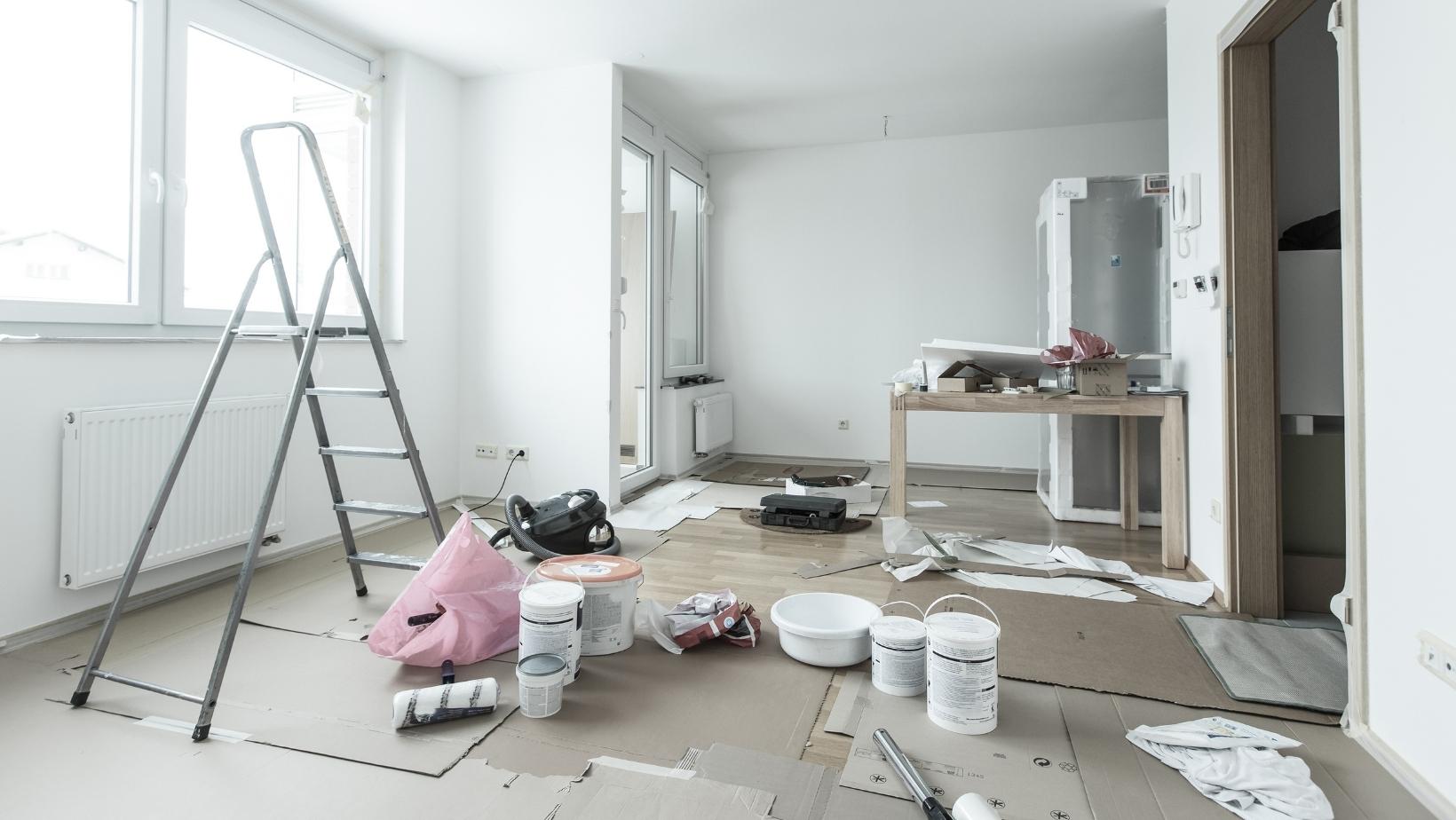
Here is a small list of home renovations that would be nice to complete before moving into your new home. These things will disrupt your life the most if completed while living in your house. If you can, plan to renovate these areas before you move in to maximize the enjoyment of your new place.
Paint the Walls
The best part about purchasing a home is being able to make it your own and getting a fresh start. A coat of paint will infuse your personality into the space, and what’s better than painting without the obstacles of furniture? It is also ideal to avoid dreaded paint fumes and let the house air out before moving in. Painting rooms beforehand will allow you to live in your new home without the added stress of trying to move in and paint simultaneously.
Floor Refinishing or Changing the Floors
Chances are, if you are moving into a house, the floors will be in good condition, but what if they are dated or damaged? Replacing dated floors or refinishing existing ones before moving in is an excellent idea–this will help avoid damaging the new finish on the flooring and dust from removing carpets and installing new ones. You can attempt a project like this yourself, but allow extra time for errors and materials shipping. Involve professionals if you are uncomfortable tackling the floors and if your budget allows. Always make sure to have a solid plan in place before starting. Decide on the style and material of flooring you want and budget for extra costs.
Renovate the Kitchen
When purchasing a new house, it might be dated and not perfect. If you love the location and style of the house, but the only issue is the dated kitchen, it might be worth renovating it before moving in. Living in a construction zone and being unable to prepare meals for the first months in your home is not ideal. Before you get started, make a list minor to more significant updates you want to make to the kitchen, then decide on how much time it will take to finish them. Don’t forget to allow ample time to clean up the mess from construction before you move in.
Renovate the Bathroom
Similar to the inconveniences of not having a kitchen is not having a bathroom. It is probably the most troublesome renovation in your home, primarily if only one bathroom exists. If there are any problems with the bathroom in the house you are moving into or you want to renovate it, the best time would be before you move in. Like the kitchen renovations, make a list of larger and smaller projects, the amount of time each will take to complete, and plan accordingly. Hiring contractors can make this job smoother and stress-free than trying to renovate it yourself.
Renovate the Bedroom
The main bedroom should be a place of rest and relaxation. A few updates before moving in could make your bedroom the ultimate escape. Whether it is a few minor cosmetic updates or a complete overhaul, make it a priority to finish before moving in. Not having a designated bedroom is another room in the house that can be inconvenient if not move-in ready (not exactly sure how this sentence is supposed to read?, lol). Hiring professionals for this project will also be beneficial to finish it on time. If you choose to renovate yourself, account for setbacks and multiple trips to the decorating and hardware stores.
Installing a Furnace or Air Conditioner
There’s nothing worse than faulty equipment regarding heating and cooling. After getting your home inspected and if the furnace is older, think about replacing it before you move in. The same can be said for air conditioning. Decide if you want it installed before moving in. Installing or updating these will alleviate the headache of living in a construction zone and the loud noises that accompany it. Plus, you could negotiate a lower selling price by getting the old homeowners to include these as-needed upgrades. Or take more out for the mortgage through the bank.
Here are just a few things to think about renovating before moving into your new home. Renovations will give your home a refresher and infuse it with your style. Finishing specific renovations or home repairs before you move in will allow you to settle into your new home and enjoy it from the start.
If you need help finding the perfect home, contact your local REALTOR® today!
Solar Energy & Savings: What Green Energy Can Do for You

With the advancement of technology becoming ever-present in your house, it is only natural that green technology has also started to become more popular. With several grants and bursaries from the government, adding green technology to your home is becoming more accessible and affordable every year. And with added cost-saving benefits, such as reducing your electricity bill, green energy is the way of the future.
Solar Energy in Saskatchewan
Living in Saskatchewan, we are fortunate to live in one of the sunniest places on earth. Using solar panels can be incredibly effective in our humble province. According to experts, Saskatchewan receives between 3.2 to 4 hours of peak sunshine daily, making us the sunniest province in the country on average! As a result, solar panels are a great feature that can provide a lot of utility and energy savings to your home.
Frequently Asked Questions About Green Energy
Of course, technology and house renovations should bring many questions to your mind. Finding what will work best for you, your home, and your energy usage lifestyle can be a complicated process. Here are some frequently asked questions about green energy and what it can do for you.
How much will it cost?
The cost of installing solar panels greatly depends on what size of unit you want to install and which contractor you choose for the project. However, it’s safe to say that this investment will cost several thousand dollars. While a pricy investment, it does provide savings on your electricity bill and help increase the value of your home. There are also some government grants that can help to reduce the cost.
What are the grants, and how do I get them?
The federal government has created some helpful bursaries to help cover part of the installation cost. The Canadian government’s “Canada Greener Homes Grant” helps cover up to $5,000 for eligible and recommended energy efficiency retrofits, and up to $600 for the combined cost of your pre and post-EnerGuide evaluations. You can check for eligibility and apply through the Natural Resources Canada government website.
You can also apply for the provincial home renovation tax credit. This tax credit offers savings of up to $2,100 in provincial income tax by claiming a 10.5% tax credit on up to $20,000 of home renovation expenses. Solar panel installation is considered an eligible expense under this program and may help homeowners fund this project.
How much will I save on electricity?
How much you save will depend on many factors, such as how large the system you install is and what your energy usage and lifestyle choices are. Savings created by installing solar panels are made by the energy you produce powering your home and the excess energy going back into the SaskPower grid.
Currently, SaskPower will provide a credit on your electricity bill according to how much power you produce that goes back to the grid. However, your electricity bill will also, theoretically, be lower due to you using your solar-generated electricity. Currently, SaskPower has excess power priced at 7.5 cents per kWh until March 31, 2026.
Do I have to renovate my house much?
Most solar panel installation does not require massive renovations to your house. The number of panels and power generated will depend on your roof size, angle, and budget. Still, most companies will work around what you already have. The cost of the overall renovation mostly comes from the price of the panels and the installation costs.
Do solar panels still work during our winters?
This is an important question to ask, considering our extreme weather conditions. The simple answer is yes! There can be a slight reduction in efficiency due to snow coverage; however, the annual losses are insignificant. The solar panels also melt snow off faster than surrounding shingles, as solar panels operate at temperatures above the ambient temperature.
Another critical factor to consider is that cold weather can actually increase the efficiency of solar panels. According to studies, solar panel efficiency is significantly higher at -25 degrees Celsius than at +45 degrees Celsius. Occasionally, solar panels will also experience increased production due to reflection off of surrounding snow coverage, as well!
Does it work with an electric car?
Yes! You can add an additional connection system to charge an electric car using your solar panels. You will add savings to your electricity bill and your gas bill, too!
Whether you’re on the road to increasing your home’s market value to sell by way of greener energy or looking for your energy efficient dream home, contact us today to draw on all our knowledge of Saskatoon real estate and the benefit of our numerous contacts!
10 Saskatoon Summer Hot Spots You Need To Check Out!

With gas prices skyrocketing as of late, you might be rethinking your family’s schedule of upcoming events these next few months. Though heading out of town every weekend isn’t looking particularly appealing this summer, that doesn’t mean you’re in for a season of boredom. Whether you’re new to the Paris of the Prairies or are a seasoned Saskatoonian, here’s your go-to guide to the city’s local hot spots you should definitely check out this summer!
Saskatoon Pride Festival & Market
- Takes place at River Landing starting at 2 PM on June 18th!
- Tons of events planned including:
- A stage concert featuring local 2SLGBTQ+ talent
- Market of local businesses, artisans and artists
- Delicious food
- Family fun area for all ages supported by Grosvenor United Church
- Beer gardens hosted by Alt Hotel
Shakespeare on the Saskatchewan
- Truly unique theatre experience with the South Saskatchewan River as your backdrop
- First show on July 2nd and goes until August 21st!
- Catch one of three mainstage shows:
- Cymbeline by William Shakespeare – July 2nd to August 14th
- Shakespeare’s Will by Vern Theissen – July 14 to July 31st
- Iago Speaks by Daniel Macdonald – August 8th to August 21st
Sasktel Saskatchewan Jazz Festival
- June 30th to July 7th at The Bessborough Gardens, Broadway Theatre, Amigos Cantina, The Basement, Victoria Park, Maurice Drouin Lounge and DTN YXE
- Each summer, Saskatoon plays host to hundreds of world class artists and 75,000 hungry music fans for jazz, blues, funk, pop and more!
The Fringe Festival
- July 28th to August 6th on Broadway Avenue from 12th Street to Main Street
- Celebrate local, provincial and international artists through in person and online performances in various locations
- Food trucks, artisan vendors, carnival games, accessible washrooms and much, much more!
Saskatoon Ex
- August 9th to August 14th at Prarieland Park
- Saskatchewan’s largest summer event with 6 days of non-stop entertainment!
- Rides and entertainment for endless family fun
Rock102 Rock the River
- August 19th to 21st
- Saskatchewan’s Classic Rock Festival feature an outstanding line-up of Canadian Classic Rock bands
- RAIN or SHINE outdoor music festival in the Delta Bessborough Gardens at the Delta Hotels by Marrio Bessborough
Remai Modern
- Something on Sundays: Takes place from 1 PM-4 PM every Sunday featuring a new artmaking activity each week. SoS is free to attend, no admission or registration required!
- Remai Modern also hosts Public Tours on Saturdays & Sundays
The Prairie Lily
- Get a unique tour experience of Saskatoon on the South Saskatchewan River all summer long!
The Berry Barn
- The perfect little get away from the city with panoramic views of the river and with the relaxing countryside and scenic gardens
- Delectable homestyle meals and unforgettable Saskatoon berry pie. Need we say more?
Saskatoon Forestry Farm and Zoo
- All generations can explore the beautiful park landscape with intimate gardens, historic buildings and a variety of western Candian animals and exotic species
- Saskatchewan’s only CAZA-AZAC accredited zoo
Can’t wait to check them out as an official Saskatoon resident but haven’t found your dream home yet? We can help! Looking for even more fun to keep the kiddos entertained, check out our blog!